
Supplier guidance
Our vision is that all learners and practitioners, whatever their backgrounds, have the right to high quality educational resources that will spark their imagination, support their well-being and encourage a lifelong love of learning.
To bring this vision to life, we’ve developed clear, practical guidelines for suppliers, designed to ensure that every resource is consistently high in quality, coherently designed and genuinely fit for purpose.
Quality assurance principles
Ten guiding principles that set out the foundations for building quality into your work from the outset. They are intentionally straightforward, with concise descriptions that define what success looks like.
Pre-publication checklist
A ready-to-use quality control checklist designed to help you review compliance and ensure all requirements are met prior to publication.
Five pillars for resource creation
Excellent resources are built on a strong and consistent foundation. These five structural pillars define our standard for quality and must underpin every stage of development and evaluation. They represent the minimum expectations for all suppliers, regardless of resource format, subject matter or intended audience.
1. Engagement with subject specialists and practitioners
Suppliers must work closely with subject experts, advisors and practitioners (either as members of the project team or through structured review panels) to ensure resources are:

- relevant, trustworthy and pedagogically sound, reflecting current best practice
- correctly aligned with Curriculum for Wales guidance and clearly mapped to appropriate progression steps
- inclusive and accessible for a wide range of learners, including those with additional learning needs (ALN)
- accurate and respectful in content, terminology, cultural representation, and the portrayal of diversity, ensuring materials reflect Wales’s communities
- clear, coherent and well-communicated, ensuring messages land accurately and materials are usable, helpful and fulfil their intended purpose
2. Collaboration with creative specialists or through in-house expertise
Suppliers must work with a range of creative and technical specialists e.g. authors, illustrators, animators, graphic designers and UX/UI designers, to ensure all resources are:
- high quality and professionally produced
- clearly and effectively written
- visually engaging and age‑appropriate for intended audiences
- accurate in content and presentation
- enjoyable, inclusive, and effective for diverse users
- intuitive in design and accessible
3. Bilingual development from the outset
All content must be fully available in Welsh and English, reflecting Welsh Government’s ‘Active Offer’ principle and duties to treat Welsh no less favourably than English. Suppliers must use qualified and approved Welsh-language translators, editors and proofreaders. We encourage original content to be developed in both Welsh and English at the same time, using the trio writing approach.
Resources must be fit for purpose in both Welsh and English, with particular attention to:
- up to date terminology, linguistic accuracy and naturalness in both languages
- consistent layout, typesetting, and formatting
- culturally appropriate examples and references
- parity in quality, clarity, tone and usability across both language versions
4. User testing and iterative feedback
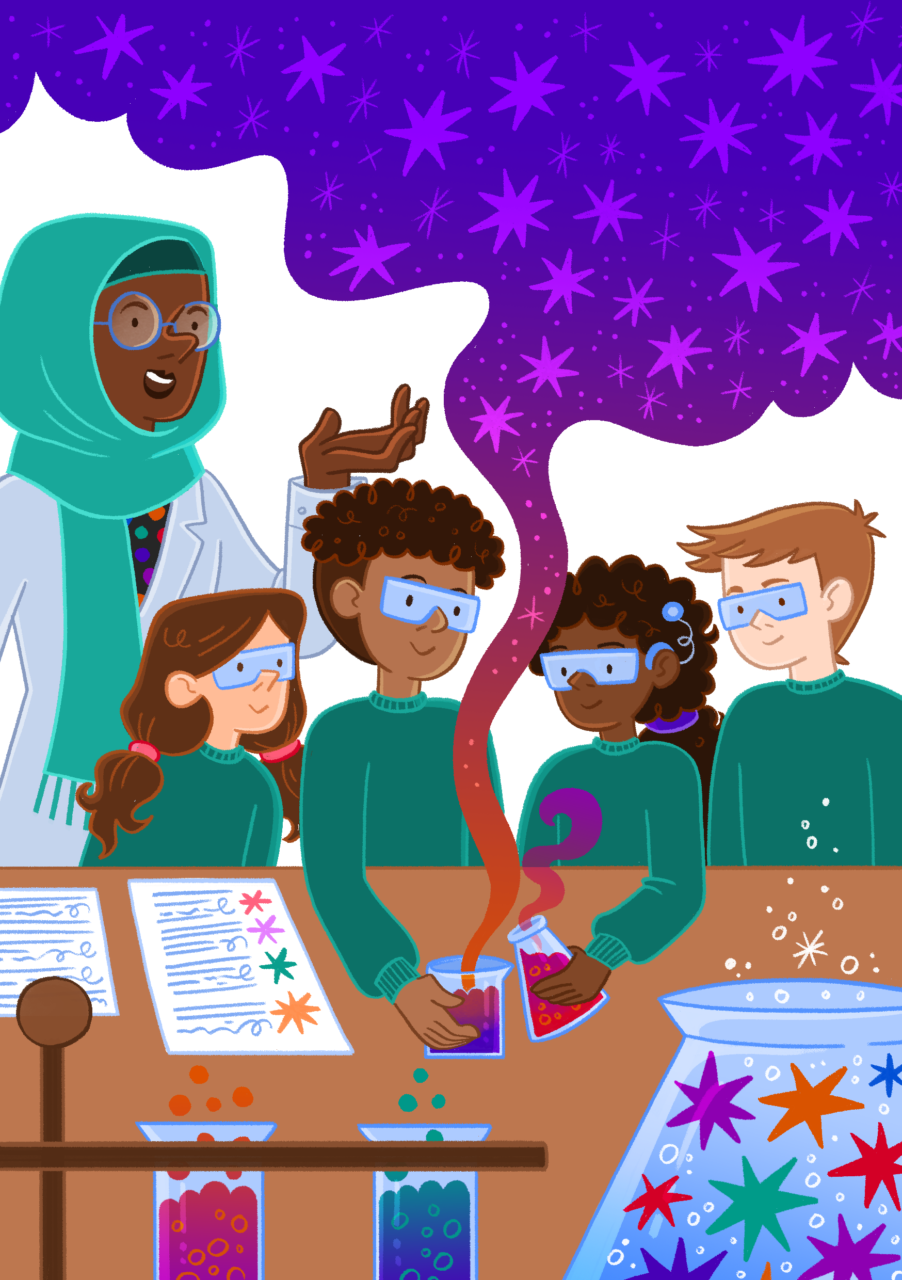
Suppliers are expected to trial resources with representative users (including both practitioners and learners) throughout the development process. Testing should lead to iterative improvements, with evidence of changes made in response to feedback.
User testing must explore:
- accessibility and compatibility
- usability, navigation, and functional clarity
- relatability for learners of different backgrounds and abilities
- engagement, motivation, and overall appeal
- whether the resource is effective in both Welsh and English, ensuring quality and usability across languages
5. Digital resources: accessible by design
All digital resources developed must be compatible with and suitable for publication on Hwb. Digital resources must:
- be free to access and use, without an additional log-in
- be non-commercial in nature
- be in a format that can be edited where appropriate, enabling practitioners to adapt content and tailor materials for varied delivery contexts, teaching approaches and learner needs
- meet all applicable accessibility standards, with particular attention to usability for learners with Additional Learning Needs (ALN). Suppliers must comply with the Web Content Accessibility Guidelines (WCAG) 2.2 AA standard
- be designed for effective use across common devices (including laptops, tablets, smartphones and interactive screens) and function reliably under varying bandwidth conditions
- include printable or downloadable assets, where appropriate, to support practice and the intended use of the resource
Stay in touch with us
Keep up to date with the latest updates from Adnodd as we support the Curriculum for Wales.
